

Products

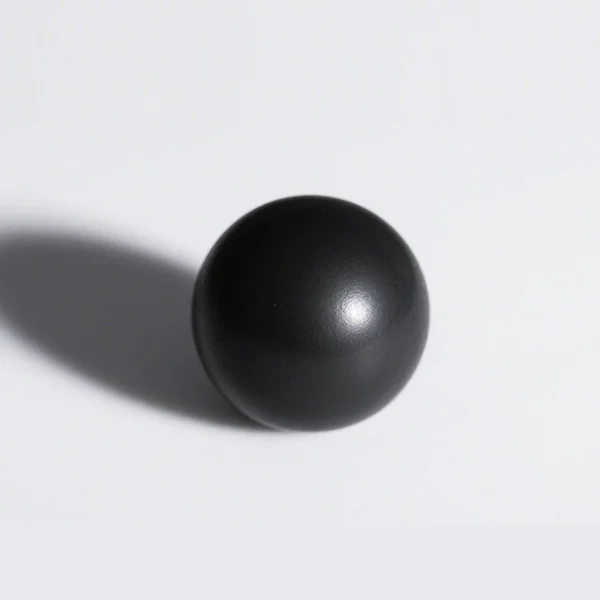
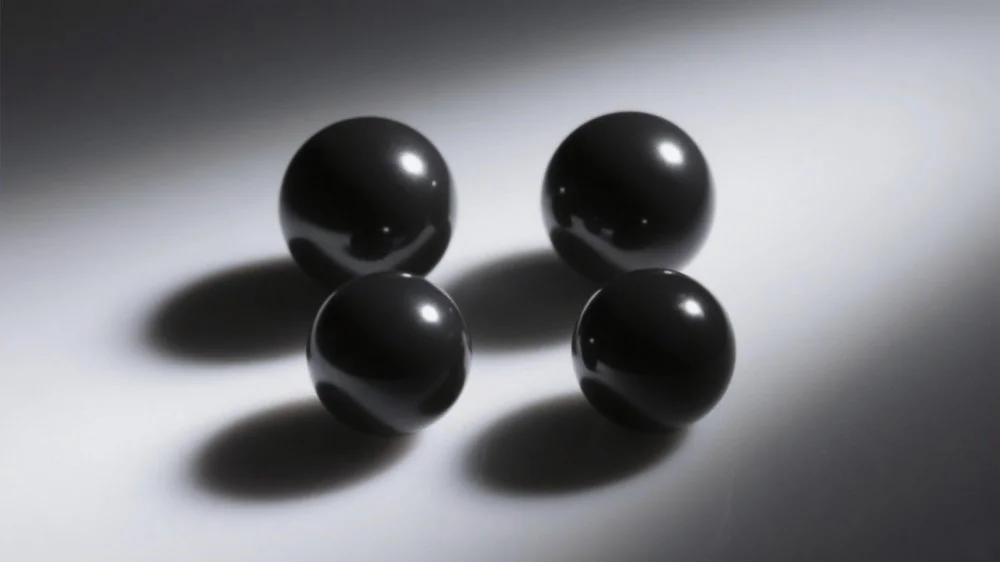
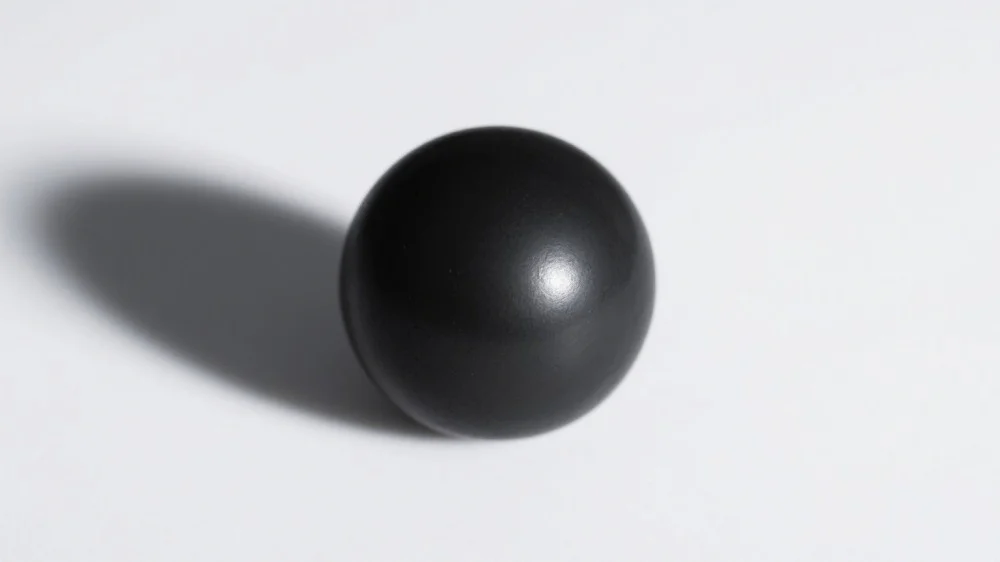
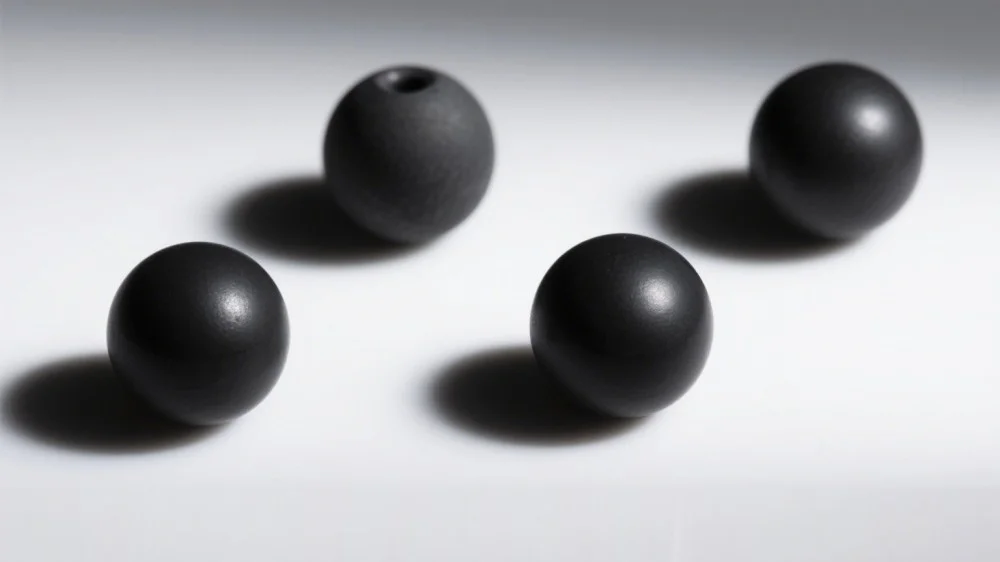
Annealed Ball


accessories, household appliances, lamps, switches, die casting, plastic
products and so on.
Annealed steel balls are typically produced by subjecting quenched steel balls to an annealing process, which controls their hardness within a relatively low range to facilitate subsequent drilling or other machining operations. Our company can customize annealed steel balls with various hardness levels according to customers' requirements.
Benefits of Annealing Steel Balls
Annealing provides several advantages:
Improved Machinability: Lower hardness allows for easier drilling, tapping, and shaping.
Reduced Risk of Cracking: Stress relief during annealing minimizes the likelihood of defects during further processing.
Versatility in Applications: Ideal for use as blanks for cold heading, forming, or other precision components.
Customizable Hardness Levels
Our company can supply annealed steel balls with customized hardness levels tailored to customer specifications. Whether the application requires softer balls for easier machining or slightly harder balls for light-load usage, we can adjust the annealing parameters to meet these requirements.
Typical Applications of Annealed Steel Balls
Precision Engineering Components: Used as preforms for further machining or shaping.
Industrial Mechanisms: Employed in valves, mixing elements, or weight components.
Decorative or Non-Load Bearing Parts: Suitable for applications where wear resistance is not critical but machinability and dimensional control are essential.
Quality Control and Consistency
Each batch of annealed steel balls undergoes strict inspection for diameter, roundness, surface finish, and hardness. This ensures that precision annealed balls maintain uniform quality and are suitable for subsequent manufacturing operations.
Eurasian is high precision annealed ball wholesale factory. We are committed to providing the most efficient product solutions to meet your personalized needs.
Why Choose Eurasian
Certified quality for demanding industries
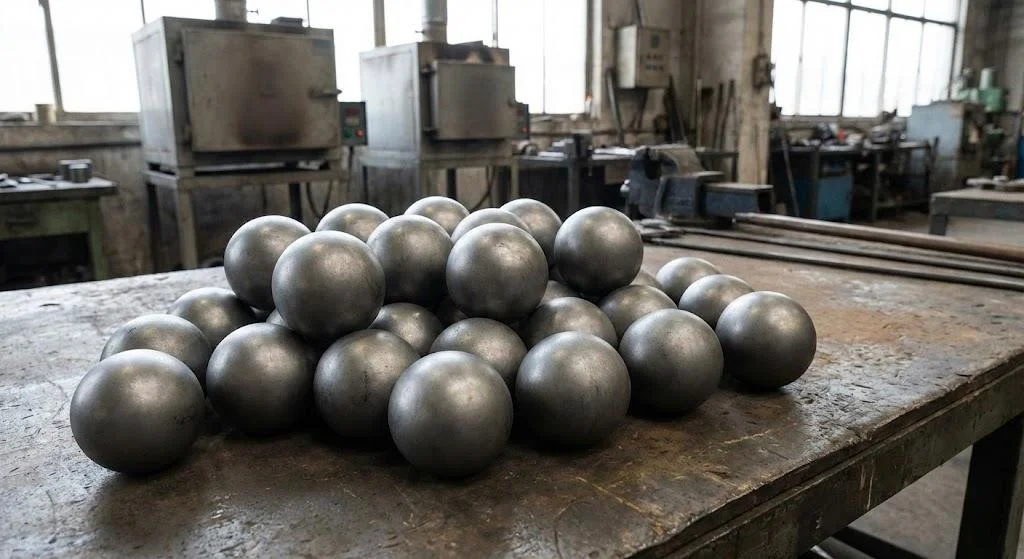
Eurasian’s manufacturing and quality systems are certified to IATF 16949:2016 and other international standards recognized by global automotive and precision industries. This allows precision annealed ball factory processes to maintain strict automotive-level control, ensuring consistent performance for annealed balls in precision engineering and other industrial balls across every batch.
Strong heat treatment and materials know-how
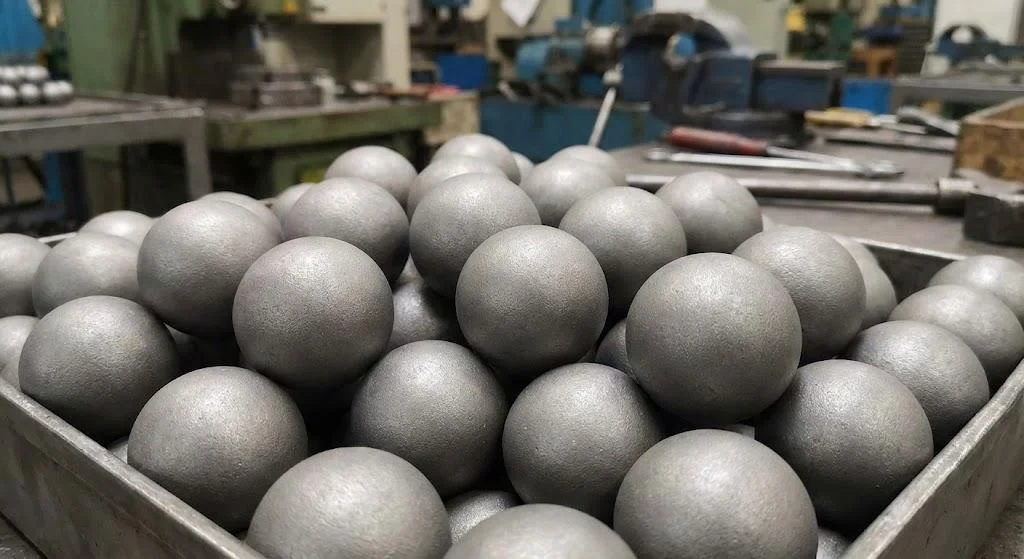
Eurasian has extensive experience producing high-precision chrome steel, stainless steel, and carbon steel balls, supported by CQI-9-based heat treatment and advanced inspection equipment. The same metallurgical expertise is applied when developing precision annealed ball products, ensuring uniform hardness, microstructure, and dimensional accuracy across all materials, including annealed balls supplied for specialized applications.

Full range of precision balls from one source
From bearing steel balls (GCr15 / AISI 52100) to stainless steel, aluminum, carbon steel, and specialty balls, Eurasian can support multiple projects with a single, consolidated supply base. Working with a precision annealed ball supplier or sourcing from precision annealed ball wholesale channels allows customers to simplify procurement, align quality standards, and reduce overall logistics costs.
Experience with global OEM and export customers
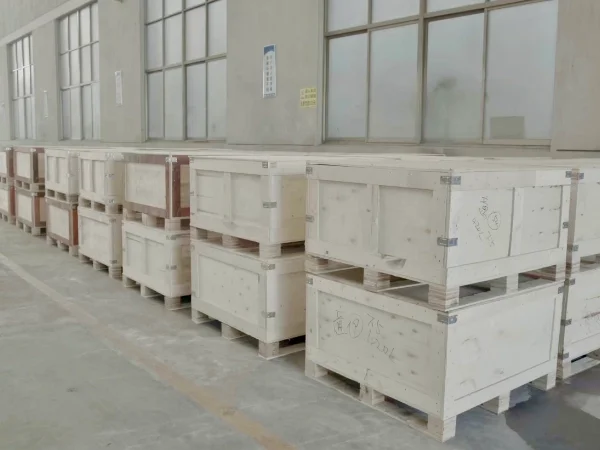
Eurasian supplies precision balls for automotive seat systems, wheel bearings, industrial equipment, and other export markets. Our team is familiar with international documentation, packaging, and inspection requirements, making sourcing precision annealed ball provider solutions smoother and more predictable for overseas clients.
Stable capacity and flexible cooperation
With established production lines and daily capacity measured in tons, Eurasian can support both trial orders and high-volume programs with reliable delivery schedules. Flexible MOQs, customized packaging, and responsive communication help integrate precision annealed ball solutions into new projects while controlling risk, lead time, and operational costs.

FAQ – Annealed Balls
Q1: What is an annealed ball?
An annealed ball is a steel ball softened through an annealing heat-treatment process to relieve internal stresses, increase ductility, and improve machinability. In this softened state, the ball can be easily drilled, machined, formed, or welded compared with fully hardened balls. This makes it suitable for applications in precision annealed ball factory environments where controlled softness is essential.
Q2: What are annealed balls typically used for?
Annealed balls are widely used as blanks for further machining, cold heading, or hardening, and in applications where the ball mainly serves as a weight, mixing element, or positioning part. Typical applications include cold-formed components, valves, fluid devices, mixing balls, decorative parts, and many general industrial mechanisms. They are also utilized in annealed balls in precision engineering projects for controlled manufacturing processes.
Q3: What are the advantages of using annealed balls instead of hardened balls?
Because of their lower hardness and higher ductility, precision annealed ball components are easier to cut, drill, tap, or reshape without cracking. They are less prone to internal stress-related defects during subsequent forming or heat-treatment operations, providing greater flexibility in manufacturing and assembly.
Q4: Are annealed balls suitable for high-load or high-speed bearing applications?
In most cases, annealed balls are not recommended for high-load, high-speed, or long-life bearing applications because their hardness and wear resistance are lower than fully hardened balls. For such conditions, through-hardened or case-hardened bearing steel balls are required to ensure the necessary fatigue life and wear performance.
Q5: What information do you need to select the right annealed balls for my project?
To recommend the appropriate precision annealed ball provider solution, please provide the steel grade, ball diameter, tolerance level, and a brief description of the intended use (e.g., blanks for machining, cold-headed parts, mixing balls, or weights). Any special requirements on machinability, surface condition, or later heat treatment should also be indicated.
Q6: Can annealed balls be heat-treated later to become hardened balls?
Yes. Many annealed steel balls are supplied as preforms that can be heat-treated to achieve higher hardness and wear resistance for bearing or structural applications. Proper hardening and tempering cycles must be selected according to the steel grade and final performance requirements. This option is often offered by precision annealed ball wholesale suppliers to support flexible production needs.
Q7: How do you control the quality of annealed balls?
Steel wire or bar is first selected and formed into ball blanks, then annealed under controlled temperature and cooling conditions to achieve the desired microstructure and softness. Diameter, roundness, surface condition, and hardness are inspected to ensure suitability for subsequent machining or forming. Working with a reliable precision annealed ball supplier ensures consistent quality across all batches.