

Products

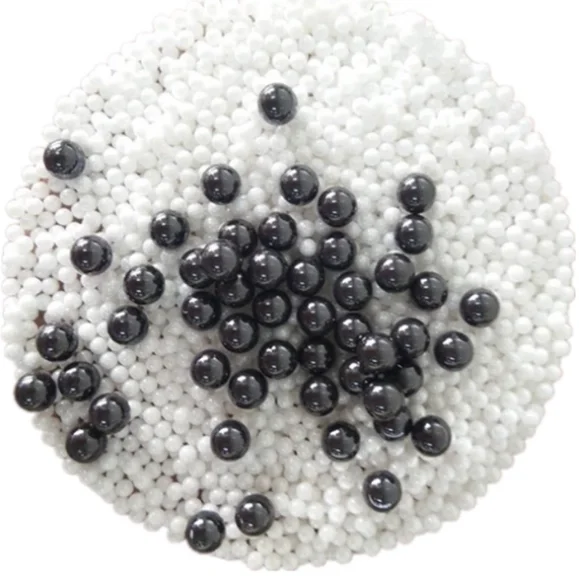
Ceramic Ball


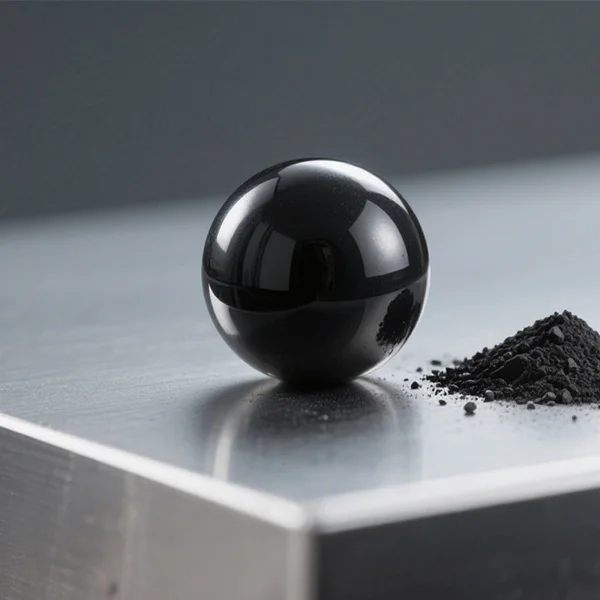
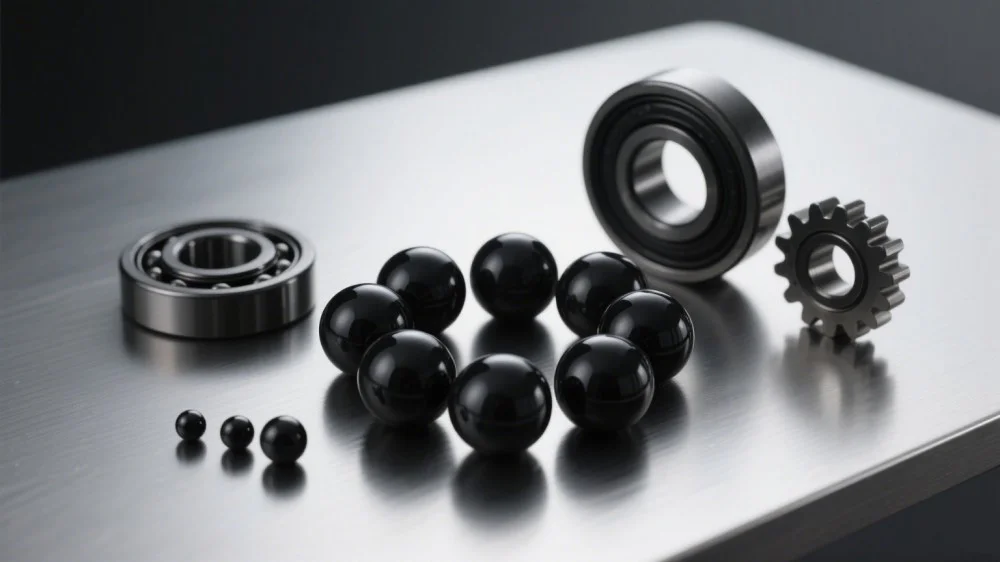
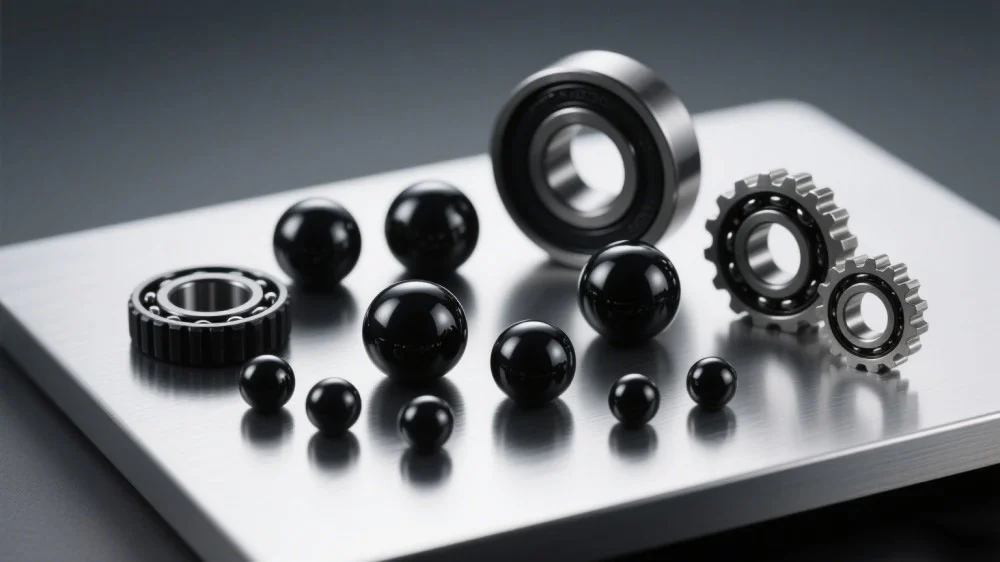
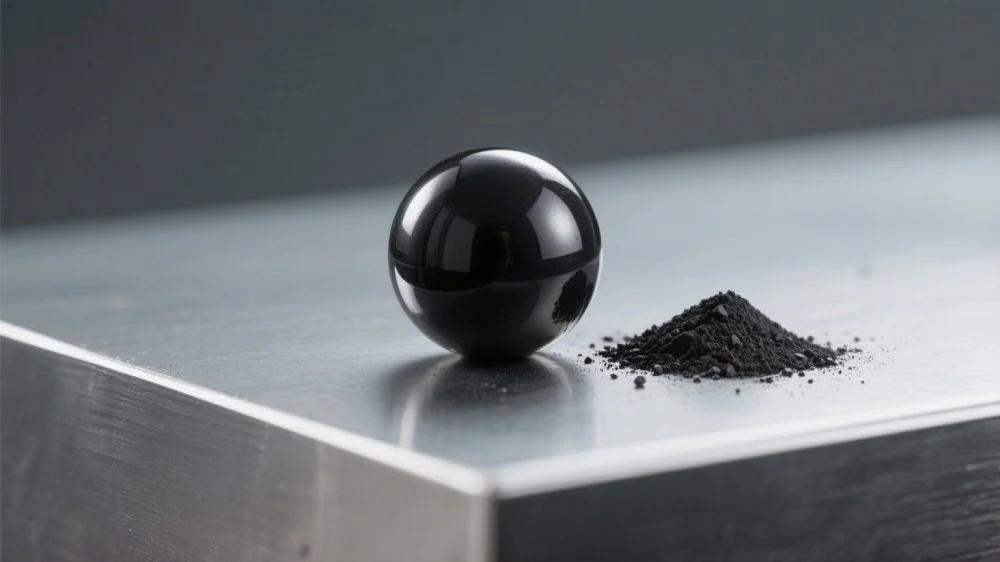
Product Name | Silicon Nitride Ceramic Balls (Si3N4 ceramic balls) |
Size | φ0.4mm-101.6mm |
Grade | G5-G200 |
Sinter Technology | GPS/HIP |
Features | Retains strength and hardness up to 1000℃ Excellent resistance to corrosion and chemicals Weighs 60% less than steel Longer life than steel Generates less friction Low coefficient of thermal expansion Low thermal conductivity which reduces need for system cooling Good shock resistance High elasticity High fracture toughness Requires minimal lubrication Non-porous Non-magnetic |
Applications | Aerospace, Military & Defense, Hybrid bearings, Full ceramic bearings, Gas turbines, Automotive engine parts, Metalworking tools |
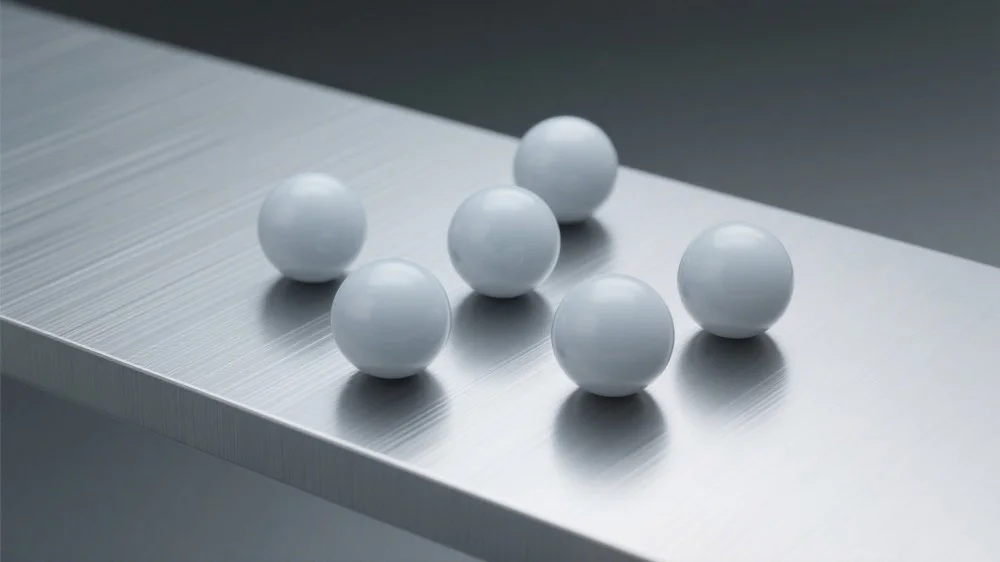
Product Name | Alumina Oxide Ceramic Balls (AL2O3 ceramic balls) |
Alumina Oxide Purity | 99% 99.3% 99.6% |
Size | φ0.4mm-76.2mm |
Grade | G10-G100 |
Features | Strong corrosion resistance Non-porous and durable Good electrical insulators Resists oxidation Tolerant to water and salt solutions Resistant to many chemicals and acids Abrasion-resistant Spin faster than steel balls Nearly frictionless Lighter and harder than steel balls Can be used up to 1748℃ Require less lubrication than other ball materials Allows for high compressive strength |
Applications | Chemical and down-hole pumps,Valves and bearings,Gages and flowmeters,Medical devices,Petroleum manufacturing |
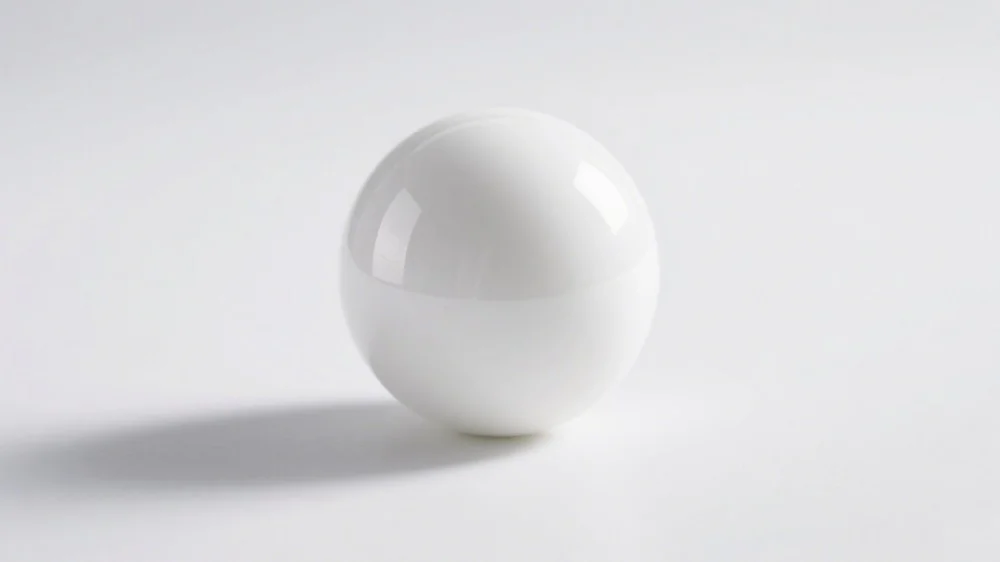
Product Name | Zirconia Oxide Ceramic Balls (ZrO2) |
Ball Color | White, Yellow |
Size | φ0.4mm-101.6mm |
Grade | G10-G100 |
Features | Zirconium balls maintain their high strength up to 980℃ Highly resistant to abrasion and corrosion Chemically inert to caustics, molten metals, organic solvents, and most acids Undergoes transformation toughening when subject to stress High strength and toughness High temperature resistance High durability High load capacity Non-magnetic Long lifetime of use Excellent wear-resistance Excellent hardness |
Applications | High-performance bearings, pumps, and valves, Check valves, Flow meters, Measurement instruments, Grinding and milling, Medical & Pharmaceutical industries, Food & Chemical industries, Textile, Electronics, Toners, inks, and dyes |
Why Choose Eurasia
Certified quality for demanding industries
Eurasian maintains manufacturing and quality systems certified to IATF 16949:2016 and other globally recognized standards. These systems are trusted by automotive and precision engineering sectors, enabling the company to apply strict automotive-grade process control to aluminum balls as well as precision ceramic balls used in various industrial applications. This ensures stable performance and uniformity across every batch manufactured.
Strong heat treatment and materials know-how
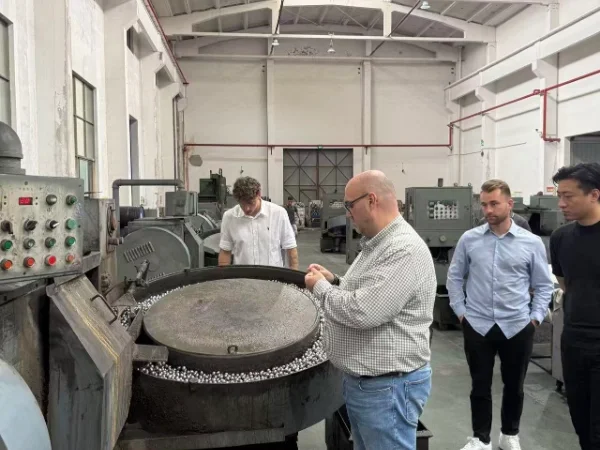
With long-standing expertise in chrome steel, stainless steel, and carbon steel ball production, Eurasian leverages CQI-9-based heat treatment and advanced inspection technology to ensure reliable microstructure and dimensional consistency. The same metallurgical know-how is applied to aluminum balls and to supporting customers who may also use alumina ceramic balls or aluminum oxide ceramic balls in high-temperature or corrosion-resistant environments. This cross-material experience guarantees predictable hardness, surface integrity, and durability.

Full range of precision balls from one source
Eurasian offers an extensive product portfolio—from bearing steel balls (GCr15 / AISI 52100) to stainless steel, carbon steel, aluminum, and specialized ceramic options such as high alumina ceramic balls and hollow ceramic balls. Customers developing multiple platforms can simplify procurement by consolidating both metallic and ceramic balls for sale from one trusted supplier. This integration helps align quality standards and reduce overall purchasing and logistics costs.
Experience with global OEM and export customers
Eurasian supplies precision balls for automotive seat mechanisms, wheel bearing systems, industrial machinery, and various export applications. The team understands international requirements for documentation, packaging, and third-party inspection. This experience is especially beneficial when serving global buyers seeking reliable sources of chinese ceramic balls or advanced ceramic precision balls manufacturing capabilities alongside aluminum ball production, ensuring smoother qualification and stable delivery performance.
Stable capacity and flexible cooperation
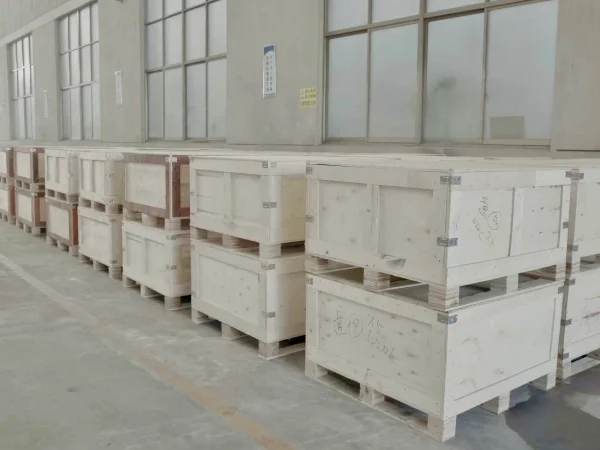
With robust production lines and daily output measured in tons, Eurasian supports both pilot batches and large-volume programs with dependable lead times. Flexible MOQs, tailored packaging, and responsive engineering communication make it easier to introduce aluminum balls or integrate ceramic ball options into new projects while managing cost, risk, and supply continuity.

FAQ – Ceramic Balls
Q1: What are the main advantages of ceramic balls compared with steel balls?
Ceramic balls are significantly lighter than steel balls and feature higher hardness, lower friction, and exceptional wear resistance—especially at high rotational speeds. Their corrosion resistance, electrical insulation, and thermal stability make them suitable for demanding environments where si3n4 ceramic balls or other high-performance materials are preferred for reducing heat generation and extending service life.
Q2: What are ceramic balls typically used for?
Ceramic balls are widely utilized in hybrid and full ceramic bearings, high-speed spindles, pumps, valves, and flow-control devices. They are also essential in grinding systems, catalyst carriers, chemical processing, and various industrial instruments. Industries sourcing ceramic balls for sale often rely on them for aerospace, automotive, medical, and electronic components due to their durability and precision.
Q3: Which ceramic materials are used for ceramic balls, and how do they differ?
Common materials include alumina, zirconia, and silicon nitride. Alumina ceramic balls offer strong chemical stability and electrical insulation, silicon nitride ceramic balls provide extreme strength at low density, and zirconia offers excellent toughness and impact resistance. For corrosive, high-load, or precision-critical systems, users may also select aluminum oxide ceramic balls or ceramic precision balls to match their performance requirements.
Q4: In which situations should ceramic balls be chosen instead of steel balls?
Ceramic balls are recommended when high speed, minimal friction, or non-magnetic and electrically insulating properties are necessary. They excel in machine tool spindles, electric motors, and chemical or high-temperature environments. In applications where steel balls deteriorate quickly, selecting high alumina ceramic balls ensures longer service life and improved reliability.
Q5: Are full ceramic bearings necessary, or can hybrid bearings be used?
Hybrid bearings combining ceramic balls with steel rings are often preferred because they balance performance and cost. Full ceramic bearings are chosen only when absolute corrosion resistance or non-magnetic behavior is essential. Designs requiring unique structural features may incorporate a ceramic ball with holes for weight reduction, fluid passage, or specialized mechanical interfaces.
Q6: How can the right ceramic material and ball size be selected?
Selection depends on speed, load, environment, and temperature. Designers should match ball diameter and precision grade to their bearing or mechanism. Critical aerospace, medical, and metrology systems often require precision ceramic balls, especially when extreme accuracy and minimal vibration are needed.
Q7: What information is required to recommend or quote ceramic balls?
For accurate selection or quotation, users should provide the ceramic material (such as alumina, zirconia, or silicon nitride), ball diameter, precision grade, and quantity. Information on operating conditions, chemical exposure, or insulation requirements is also important. Manufacturers supplying chinese ceramic balls may additionally request details on surface finish, cleanliness, or certification standards.
Q8: How is the quality of ceramic balls controlled?
Ceramic balls are produced through shaping high-purity powders, sintering at elevated temperatures, and precision grinding. Each batch undergoes inspection for diameter, roundness, density, and surface condition. Specialized applications—such as those requiring ceramic precision balls manufacturing or lightweight hollow ceramic balls—also include structural integrity and microstructure testing to ensure consistent performance.